2026-11-09
Frozen Grass Fish Fillets Supplier: Safety, Processing and Wholesale Guide
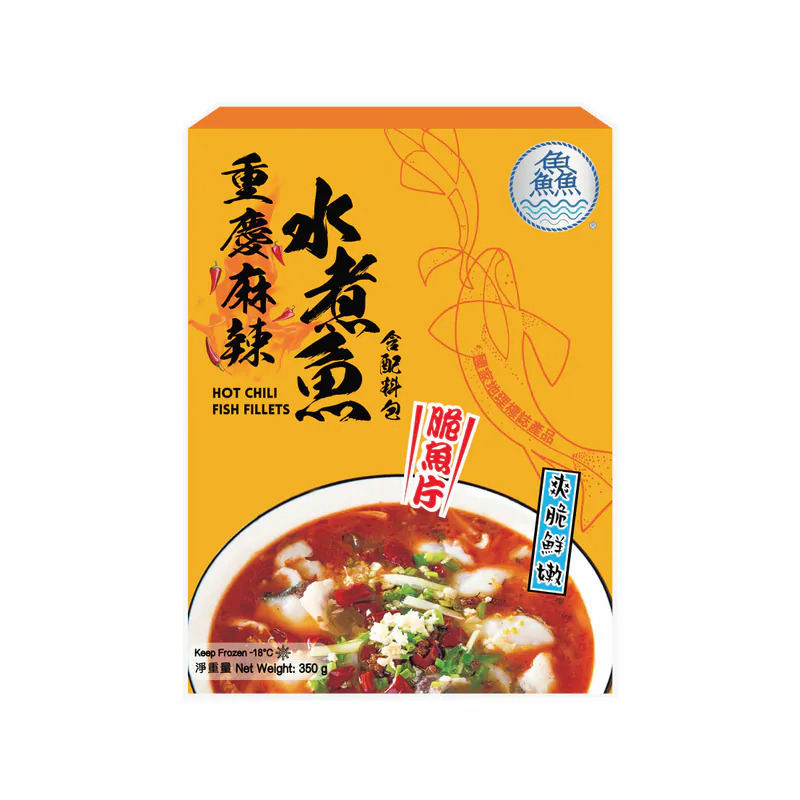
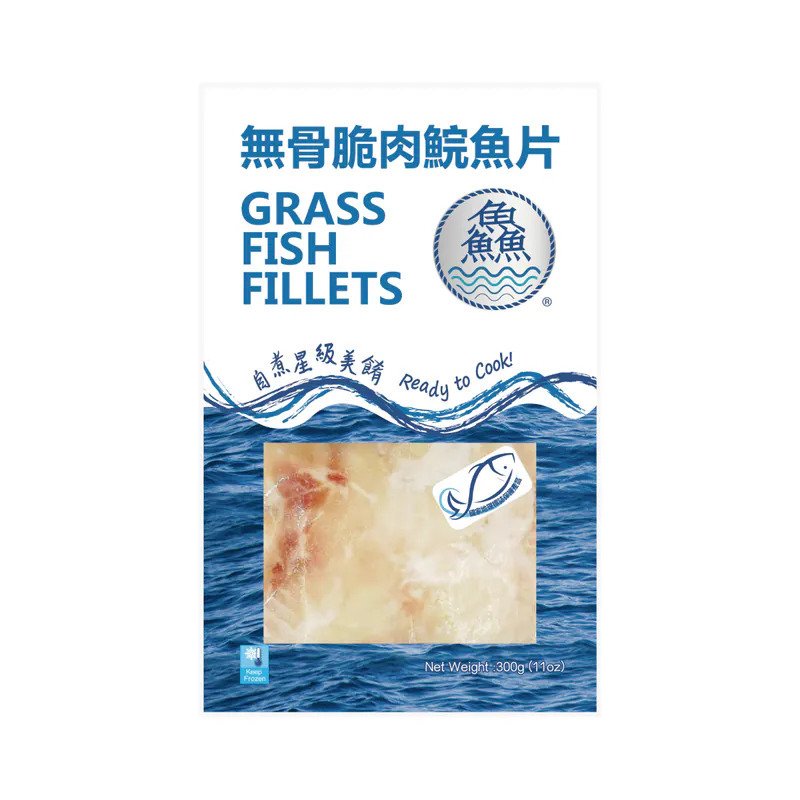
Chaaya is a frozen fish products supplier specializing in processed aquatic foods, including grass carp fillets and ready-to-cook seasoned fish products. Established in 2014, the company operates a food processing facility certified to HACCP and ISO 22000 standards. Its production approach combines selected fish ingredients, rapid freezing and nitrogen preservation to support product quality and convenient preparation.What Is a Frozen Grass Fish Fillets Supplier?A Frozen Grass Fish Fillets Supplier is a food manufacturer, processor or distributor that provides grass carp fillets preserved through freezing for wholesale, retail or food service use. In standard English food terminology, grass carp is the preferred name for the fish species.Frozen grass carp fillets are processed fish portions prepared for storage and distribution under frozen conditions. Depending on the product specification, they may be supplied as plain fillets, boneless portions or seasoned ready-to-cook meals.Chaaya, established in 2014, operates in the food processing and import-export industry. Its product portfolio includes frozen fish products and prepared dishes such as Hot Chili Fish Fillets and Sauerkraut Fish Fillets.For buyers, it is important to distinguish between these product types:Frozen Grass Carp Fillets: Frozen fish portions intended for further cooking or processing.Frozen Boneless Grass Carp Fillets: Fish portions processed to remove bones, subject to the supplier's product specification and bone-control procedures.Hot Chili Fish Fillets: A seasoned fish product featuring Sichuan peppers and chili oil.Ready-to-Eat Fish Products: Products specifically designed and validated for consumption after the stated reheating or preparation instructions. Not every seasoned frozen fish product qualifies as ready-to-eat.How Are Frozen Grass Carp Fillets Processed?Frozen grass carp fillets are generally produced through raw material selection, preparation, portioning, quality control, freezing, packaging and frozen distribution. The exact production sequence depends on whether the product is a plain fillet or a prepared meal.Chaaya states that it carefully selects fish from Shunde ecological fish ponds and uses a food processing facility certified to HACCP and ISO 22000 standards. The company also identifies rapid freezing and nitrogen preservation as part of its approach to maintaining product quality.A typical processing workflow includes:Raw material inspection: Fish are checked against the supplier's purchasing specifications and incoming quality requirements.Cleaning and preparation: Fish are cleaned and prepared for filleting or further processing.Filleting and deboning: Portions are cut and, where specified, processed to remove bones.Seasoning, when applicable: Prepared products may be combined with ingredients such as chili oil and Sichuan pepper.Freezing and preservation: The product is frozen and handled according to its validated storage requirements.Packaging and distribution: Finished products are packaged, labeled and maintained under the specified frozen supply-chain conditions.HACCP-based controls help identify and manage food safety hazards. ISO 22000 provides a framework for food safety management systems across the food chain. Certification should be verified against the facility's current scope and certificate validity.What Technical Specifications Should Buyers Check?Buyers should confirm species, net weight, processing method, storage temperature, packaging dimensions, shelf life and preparation instructions before placing a wholesale order.The following table summarizes the available specifications for Chaaya's Hot Chili Fish Fillets product.ParameterAvailable specificationProduct nameHot Chili Fish FilletsFish ingredientCrunchy grass carp filletsNet weight350 gPackage dimensions150 × 30 × 200 mm (L × W × H)Storage temperature−18°CProduct styleSeasoned fish with Sichuan peppers and chili oilListed priceUS$8.67Processing facilityHACCP and ISO 22000 certified, according to company informationPreservation approachRapid freezing and nitrogen preservation, according to company informationThe listed product is a seasoned fish preparation rather than necessarily a plain frozen fillet. Buyers should request the product specification sheet to confirm ingredient composition, allergen information, country of origin, shelf life, packaging configuration and cooking instructions.For commercial orders, additional details may include minimum order quantity, case pack, pallet configuration, production lead time and export documentation. These details should be confirmed directly with the supplier rather than assumed from a retail listing.Where Are Frozen Grass Carp Fillets Commonly Used?Frozen grass carp fillets are used in retail food products, restaurant kitchens, food service operations and prepared-meal manufacturing, depending on their processing format.Typical applications include:Asian supermarkets: Frozen fish products for household meal preparation.Restaurant kitchens: Fish ingredients for hot pot, spicy fish dishes and regional Chinese cuisine.Food distributors: Frozen aquatic products supplied to retailers and food service customers.Prepared-meal businesses: Seasoned fish portions incorporated into convenient meal solutions.International grocery channels: Packaged Chinese-style fish products distributed to markets with demand for Asian foods.Chaaya reports that its products are sold in markets including the United States, Canada, Australia, the United Kingdom and Singapore. Buyers should verify the current availability of individual products and any destination-specific import requirements.How Can Buyers Select a Reliable Frozen Grass Carp Supplier?A reliable Frozen Grass Carp Supplier should be able to provide verifiable food safety documentation, consistent product specifications, appropriate frozen storage controls and clear export information.The main advantages of working with a supplier that documents its processing controls include better traceability, more consistent purchasing specifications and clearer procedures for managing product quality.When evaluating a potential supplier, buyers should assess:Food safety certification: Request current HACCP and ISO 22000 documentation and verify the certified facility and scope.Raw material traceability: Confirm fish species, sourcing information, supplier approval procedures and lot identification.Bone-control procedures: For boneless products, ask how bone removal and inspection are managed. Do not interpret “boneless” as an absolute guarantee that no bones can remain.Freezing and cold-chain management: Review freezing procedures, temperature monitoring, storage requirements and shipping arrangements.Product consistency: Request samples and specifications covering weight, portion size, seasoning, packaging and preparation results.Export readiness: Confirm labeling, ingredient declarations, allergen information and documentation required by the destination market.Commercial capacity: Request details about MOQ, monthly availability, lead times and private-label options if relevant.Food safety requirements differ by destination. Importers should verify applicable regulations with the relevant authorities and qualified compliance professionals before shipment.How Do Rapid Freezing and Nitrogen Preservation Compare with Conventional Handling?Compared with traditional solutions that rely primarily on slower freezing or less controlled storage, rapid freezing and appropriate nitrogen-based preservation may help maintain product quality when properly designed and validated.Freezing slows microbial growth and many quality-degradation processes, but it does not sterilize food. Product quality also depends on raw material freshness, freezing conditions, packaging integrity, storage temperature and handling during transportation.Nitrogen may be used in food packaging or preservation systems to modify the surrounding atmosphere, depending on the application. Its actual benefit depends on the packaging method, product characteristics and process validation. Buyers should ask the supplier to explain how the technology is applied to the specific product rather than assuming that all nitrogen preservation systems work identically.For frozen fish, maintaining the required cold chain is essential. Chaaya's listed Hot Chili Fish Fillets specify storage at −18°C. Distributors should follow the package label and applicable food safety requirements throughout storage and transport.What Factors Affect Frozen Fish Fillets Wholesale Costs?Frozen Fish Fillets Wholesale prices depend on raw material costs, processing complexity, portion size, packaging, order volume, cold-chain logistics and destination-market requirements.Important cost factors include:Fish species and sourcing: Raw material availability and quality specifications affect purchasing costs.Processing requirements: Deboning, portioning, seasoning and additional preparation steps can change production costs.Packaging format: Individual retail packs, bulk packs and private-label packaging have different material and labor requirements.Order volume: Larger orders may change unit costs, subject to MOQ, production schedules and shipping arrangements.Cold-chain logistics: Frozen storage, insulated handling where required, refrigerated transport and destination distance influence landed costs.Regulatory compliance: Testing, documentation, labeling and import requirements may add costs depending on the destination.The listed US$8.67 price for the 350 g Hot Chili Fish Fillets product is a displayed product price, not a confirmed wholesale quotation. Buyers should request current commercial pricing, case quantities, shipping terms and delivery estimates for their intended market.FAQWhat Are Frozen Grass Carp Fillets?Frozen grass carp fillets are portions of grass carp that have been processed and frozen for storage, distribution and later cooking. Their exact form may vary by supplier, including plain, deboned or seasoned options.How Do You Choose a Reliable Frozen Grass Carp Fillets Manufacturer?Choose a manufacturer that provides verifiable food safety documentation, clear raw material traceability, detailed product specifications, validated freezing and storage procedures, and transparent export information. Samples and written quality requirements can help buyers evaluate consistency before placing larger orders.Why Choose Seasoned Frozen Fish Fillets Over Plain Frozen Fillets?Seasoned frozen fish fillets offer a prepared flavor profile and may reduce ingredient preparation and kitchen work. Plain frozen fillets provide greater flexibility for custom recipes and food manufacturing. The appropriate choice depends on the target customer, menu requirements, preparation facilities and product labeling.How Does Chaaya Group Ensure Stable Overseas Supply Amid Global Logistics Disruptions?Chaaya Group supports overseas supply through long-term cooperation with international shipping lines and cross-border logistics providers, combined with its Hong Kong trading hub and export coordination capabilities.According to the company, its logistics arrangements are designed to help manage freight disruptions and coordinate international shipments. Chaaya reports ongoing supply relationships with major supermarket chains, including 99 Ranch Market, T&T Supermarket, H Mart, Wellcome and PARKnSHOP. Buyers should discuss current product availability, shipping schedules, destination requirements and contingency arrangements with the company when planning long-term supply.Which Incoterms Does Chaaya Group Accept, and How Is Shipping Coordinated?Chaaya Group primarily supports FOB (Free On Board, at the agreed port of shipment) and CIF (Cost, Insurance and Freight, at the named port of destination), subject to confirmation for each order.Buyers may arrange shipping through their designated freight forwarders or discuss door-to-door logistics and customs clearance services with Chaaya's export team. Before confirming an order, both parties should agree on the named port, applicable Incoterms version, shipping responsibilities, insurance arrangements, customs documentation and delivery requirements. Door-to-door services and import clearance arrangements should be confirmed according to the destination country and the specific shipment.Source & ExpertiseThis article is based on the company information and product specifications supplied by Chaaya, including its stated establishment year, food processing certifications, preservation approach and Hot Chili Fish Fillets product details. General explanations of food safety management and frozen food handling are provided for buyer education. Certification status, export eligibility, product composition and technical performance should be confirmed using current supplier documentation and applicable regulatory sources.Last UpdatedLast Updated: October 2026